
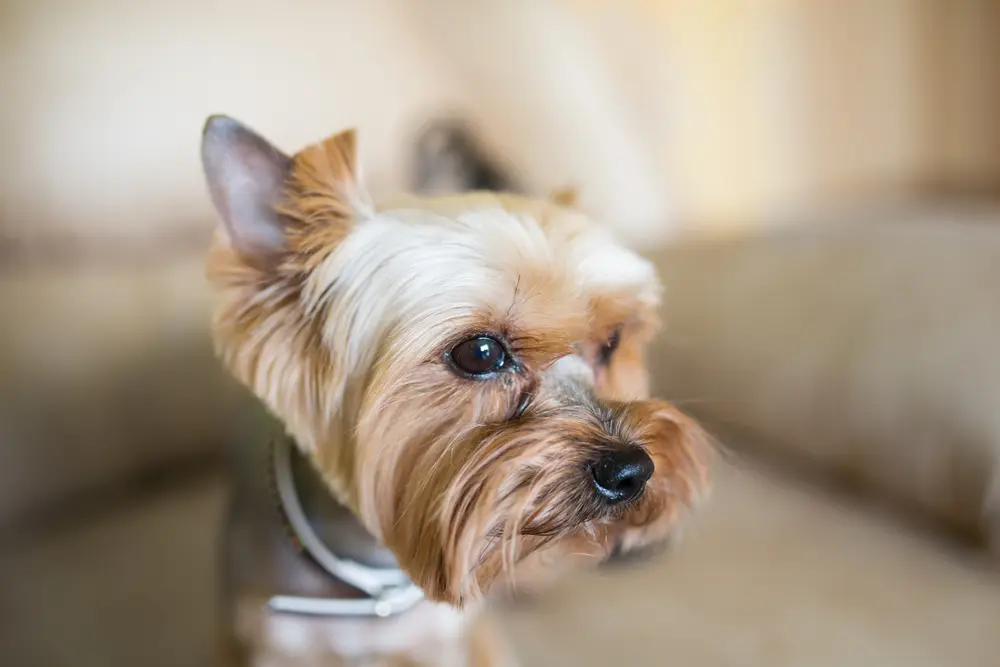
Yorkshire Terriers are prone to tear stains and eye discharge—the reddish-brown streaks and “gunk” under the eyes. Regular, gentle cleaning keeps the area healthy and reduces staining. This guide covers what causes it, how to clean safely, and when to get the vet involved.
Last updated: February 2026 · Reading time: ~7 min
Quick Answer
To clean your Yorkie’s eyes safely: use a soft cloth or cotton ball dampened with warm water or a vet-approved eye wipe. Wipe from the inner corner outward, once per eye (use a fresh wipe per eye). Don’t touch the eyeball or use Q-tips in the eye area. Trim long hair around the eyes so it doesn’t wick tears. For stubborn stains, use a tear-stain product made for dogs (we list options below). If you see redness, swelling, green/yellow discharge, or squinting, see the vet—it may be infection or another eye problem.
What Causes Tear Stains and Eye Gunk?
Tear stains are usually caused by porphyrins—pigments in tears and saliva that turn reddish-brown when they sit on light hair. Some dogs simply produce more tears or have anatomy that lets tears overflow onto the face. Other causes include blocked tear ducts, eye irritation from hair or dirt, conjunctivitis, dry eye (KCS), or allergies. Keeping the area clean and dry and addressing underlying causes (e.g. trimming hair, treating infection) helps.
| Cause | What you might see | What to do |
|---|---|---|
| Normal tear overflow | Red-brown stains, no redness or pain | Daily gentle cleaning; tear-stain wipes or solution |
| Hair in eyes | Wet face, irritation | Trim hair around eyes; grooming or groomer |
| Infection (e.g. conjunctivitis) | Green/yellow discharge, redness, squinting | Vet visit; may need medication |
| Dry eye (KCS) | Thick discharge, redness, discomfort | Vet diagnosis; prescription eye drops |
| Allergies | Watery eyes, rubbing face | Vet may suggest diet or environmental changes |
How to Clean Your Yorkie’s Eyes (Step-by-Step)
- Gather supplies: Soft cloth or cotton balls, warm water or vet-approved eye/tear-stain wipe. Use a separate cloth or cotton ball for each eye to avoid spreading infection.
- Restrain gently: Have your Yorkie sit or stand still. If they’re wiggly, do one eye at a time and reward with a treat afterward.
- Wipe from inner corner outward: Dampen the cloth or use one wipe per eye. Wipe once from the inner corner of the eye toward the outer corner, along the lower lid and stained fur. Use a light touch; don’t press on the eyeball.
- Dry the area: Use a dry cloth or cotton ball to blot the damp fur. Leaving it wet can encourage bacteria and odor.
- Repeat as needed: Many owners do a quick wipe daily or every other day to prevent buildup.
Don’t: Use Q-tips inside the eye area (risk of poking). Don’t use human eye drops or harsh chemicals unless the vet recommends them.
Products That Help
| Product type | Use | Note |
|---|---|---|
| Tear-stain wipes | Daily cleaning and stain removal | Choose a gentle, dog-specific formula. |
| Tear-stain solution | Apply to stained fur per label | Avoid getting in the eye. |
| Blunt-tip scissors | Trimming hair around eyes | Or ask a groomer to do a sanitary/face trim. |
Check price: Angels' Eyes Gentle Tear Stain Wipes on Amazon
Check price: Safari Dog Tear Stain Remover on Amazon
Use wipes and solutions only as directed, and avoid products with antibiotics unless prescribed by your vet.
Preventing Tear Stains
- Trim hair around eyes so it doesn’t wick tears or trap dirt. Many owners keep the face short or use a groomer.
- Clean and dry the area regularly so moisture and porphyrins don’t sit on the fur.
- Use filtered or fresh water in a clean bowl; some owners report less staining with filtered water.
- Feed a quality diet; poor nutrition or food sensitivity can sometimes affect tear production or skin health.
- Wash bedding and avoid strong perfumes or sprays near the face to reduce irritation.
When to See the Vet
See the vet if your Yorkie has: green or yellow discharge, red or swollen eyes, squinting or pawing at the eye, cloudiness or change in eye appearance, or stains that don’t improve with gentle cleaning. These can indicate infection, dry eye, injury, or other conditions that need diagnosis and treatment. Routine tear staining with no other signs can often be managed at home; when in doubt, a quick vet check is safest.
Frequently Asked Questions
Can I use human eye drops on my Yorkie?
No. Use only products made for dogs or prescribed by your vet. Human drops can be harmful or wrong for the cause of the problem.
How often should I clean my Yorkie’s eyes?
A quick daily or every-other-day wipe is enough for many dogs. If stains build up quickly, clean more often and consider trimming face hair and using a tear-stain product.
Do tear stains mean my dog is unhealthy?
Not always. Many Yorkies have mild tear overflow and staining with no underlying disease. If you also see redness, discharge, or behavior changes, have the vet check for infection or other eye issues.
What’s the best way to trim hair around my Yorkie’s eyes?
Use blunt-tip scissors and work in good light. Trim only the hair that touches the eye or runs into the tear path. If you’re unsure, a groomer can do a face trim safely.
For full-body coat care, see Yorkshire Terrier grooming tips and best brush for Yorkie hair.
This article contains affiliate links. As an Amazon Associate we earn from qualifying purchases.
This article is for general guidance only. For eye problems or persistent discharge, consult your veterinarian.