
A white Yorkie dog (or “White Yorkie”) usually means a Yorkshire Terrier with a lot of white in the coat—from parti coloring, piebald/white spotting, or, rarely, albinism. Major registries (e.g. AKC) do not recognize solid white as a standard Yorkie color, but these dogs can still be purebred. This guide covers how white happens, health implications, and how to find a responsible breeder if you’re set on a light-coated Yorkie.
Last updated: February 2026 · Reading time: ~7 min
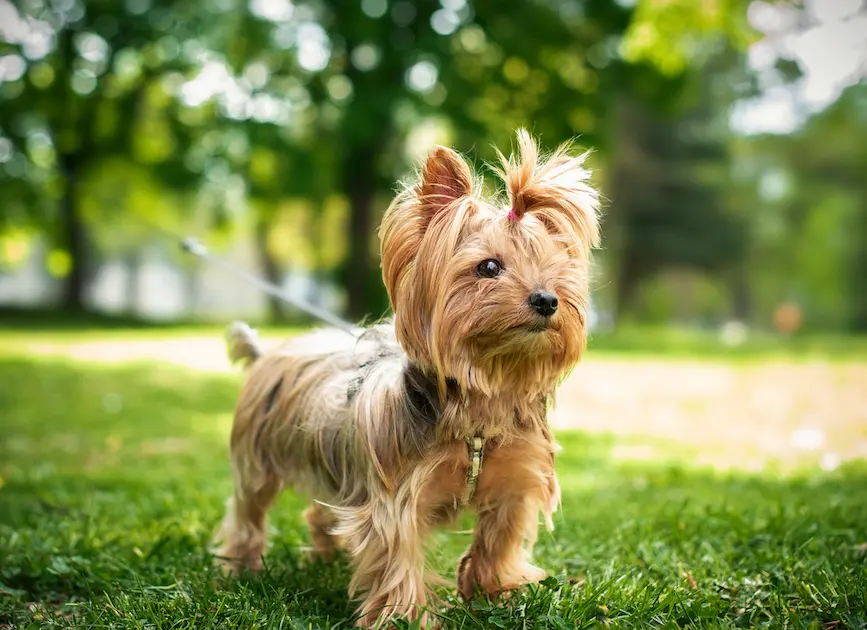
Quick Answer
A “white Yorkie” is a Yorkshire Terrier with significant white in the coat, from genes such as parti-color, piebald, or (very rarely) albinism. White is not an AKC-standard color; traditional colors are black-and-tan, blue-and-gold, and related shades. Parti and Biewer-type dogs are real Yorkies with white; true albinos are rare and can have vision and skin sensitivity issues. Always get health clearances and pedigree from a reputable breeder and avoid anyone who markets “rare white” at a big premium without transparency.
Is White a Real Yorkie Color?
The Yorkshire Terrier breed standard describes accepted coat colors as black and tan (puppies) and blue and gold (adults), with no solid white. So a solid white coat is not a recognized color. That said, white can appear in purebred Yorkies through:
| Cause | What you see | Notes |
|---|---|---|
| Parti-color | White plus black/tan or blue/gold in patches | Inherited; some registries/breed clubs accept or recognize parti. |
| Piebald / white spotting | White areas mixed with standard colors | Dominant gene; double copy can increase risk of deafness in some breeds. |
| Albinism | Very pale coat, pink skin, light eyes | Rare; associated with light sensitivity and possible vision issues. |
So “white Yorkie” in practice usually means parti or piebald—not a separate breed, and not necessarily unhealthy if bred responsibly.
Parti Yorkie vs Biewer vs “White”
- Parti Yorkie: Yorkshire Terrier with a parti-color pattern—white with black and tan (or blue and gold). Same breed, different color pattern; not recognized in the main AKC standard but accepted in some registries.
- Biewer Terrier (Biewer Yorkie): A distinct breed that originated from Yorkies; typically white, blue, and gold/tan. Recognized by AKC as a separate breed (Biewer Terrier).
- “White Yorkie” (marketing): Often a parti or heavily white-spotted Yorkie. Be wary of breeders who charge a large “rare” premium without health testing and clear pedigree.
Health and Genetics
- Parti / white spotting: No inherent health problem from the pattern itself. Choose breeders who do health testing (e.g. patellas, eyes, heart) and are transparent about pedigrees.
- Piebald / double white: In some breeds, two copies of certain white genes increase the chance of deafness. Ask the breeder if they’re aware of any hearing tests in the line.
- Albinism: True albino Yorkies are rare. They may have sensitivity to sunlight and higher risk of skin damage; they need sun protection and vet guidance.
Lifespan and general care are the same as for any Yorkie: good diet, grooming, exercise, and regular vet care. See coat colors and patterns for more detail on genetics.
Grooming a White or Light-Coated Yorkie
Light coats show dirt and tear stains more. Routine care helps:
- Brushing: Regular brushing to prevent mats and remove debris.
- Tear stains: Common in Yorkies; cleaning the eyes and keeping the face dry can reduce staining. Use only products meant for dogs.
- Bathing: As needed with a gentle shampoo; avoid over-bathing to protect skin and coat.
No special “white” shampoo is required; focus on gentle, breed-appropriate grooming.
Finding a White or Parti Yorkie Responsibly
- Prioritize health and transparency. Look for breeders who do health clearances (e.g. OFA patellas, eyes), raise puppies in a home environment, and let you see the dam (and sire when possible). See our breeder directory for vetted options.
- Avoid “rare white” upsell. A higher price should reflect health testing, care, and ethics—not just “rare” color.
- Ask for pedigree and color genetics. A responsible breeder can explain how they get parti or white (e.g. parti to parti) and whether they test for hearing if relevant.
- Consider rescue. Parti or white Yorkies sometimes appear in breed rescues; adoption is a good option if you’re flexible on age and look.
White Yorkie Mixes
Mixes that include Yorkie and often have white coats include:
- Morkie (Maltese × Yorkie): Often light or white; see Morkie vs Yorkie for comparison.
- Yorkie-Poo (Yorkie × Poodle): Can be many colors, including white or cream; see Yorkie-Poo for care and traits.
These are not purebred Yorkies but can be wonderful pets when acquired from ethical sources.
Frequently Asked Questions
Are white Yorkies purebred?
They can be. Parti and piebald white are inherited in purebred Yorkshire Terriers. “White” alone doesn’t mean mixed breed—but you should still get a clear pedigree and health information from the breeder.
Why isn’t white in the breed standard?
The AKC standard reflects the traditional show appearance (blue and gold, black and tan). Parti and white are color variants that developed within the breed but are not part of that standard.
Do white Yorkies have more health problems?
Not because of the color itself. Parti or white spotting doesn’t cause illness. True albinism can come with vision and skin sensitivity. Always choose breeders who health-test and are honest about genetics.
Where can I find a white or parti Yorkie?
Start with breeders who health-test and explain their breeding goals. Avoid anyone who only emphasizes “rare white” and doesn’t provide health clearances or pedigree.
For more on accepted colors and patterns, see Yorkshire Terrier coat colors and patterns.
This article is for general information only. For breed-standard and registration questions, refer to the AKC or your national kennel club.
Looking for a Responsible Breeder?
Find health-tested Yorkies from vetted breeders who prioritize temperament and transparency.
Browse Verified Breeders →