
Ear mites (Otodectes cynotis) are tiny parasites that live in the ear canal and feed on wax and skin debris. They’re contagious between dogs and cats and cause itching, dark discharge, and head shaking. Yorkies aren’t more prone than other dogs, but their ear shape can trap moisture. This guide covers signs, how the vet diagnoses and treats them, and prevention—including regular ear cleaning and when to see a groomer for routine care.
Last updated: February 2026 · Reading time: ~7 min
Quick Answer
Ear mites in Yorkies cause itching, head shaking, dark, waxy discharge (often coffee-ground-like), and sometimes a foul smell. They’re contagious between pets (dogs and cats). Diagnosis is by the vet (exam, often a smear under the microscope). Treatment is vet-prescribed—typically topical ear drops or spot-on medication; over-the-counter “ear mite” products can miss mites or irritate the ear. Treat all dogs and cats in the home and clean bedding to prevent reinfestation. Prevention: avoid contact with infested animals; keep ears clean and dry with gentle ear cleaning. Don’t use cotton swabs inside the canal.
What Are Ear Mites?
Ear mites are small arachnids that live in the ear canal and feed on wax and skin debris. They’re highly contagious through direct contact (and sometimes shared bedding or grooming tools). Dogs and cats can pass them to each other. Signs include scratching at the ears, head shaking, and dark, crumbly discharge. Left untreated, they can cause inflammation, bacterial or yeast infections, and in rare cases hearing damage. A vet can confirm mites and rule out other ear problems.
Symptoms of Ear Mites in Yorkies
| Sign | What you might see |
|---|---|
| Itching | Scratching at ears, rubbing head on furniture or floor. |
| Head shaking | Frequent shaking or tilting the head. |
| Discharge | Dark brown or black, waxy or crumbly (often compared to coffee grounds). |
| Odor | Foul smell from the ears. |
| Redness / inflammation | Ear canal or flap looks red or swollen. |
| Hair loss or scabs | Around the ears from scratching. |
These signs can also occur with yeast or bacterial ear infections, allergies, or foreign bodies. The vet will examine the ears and may look at discharge under a microscope to confirm mites and check for secondary infection.
How Ear Mites Are Diagnosed
The vet will:
- Examine the ear canal with an otoscope (and may take a sample of the discharge).
- Look at the discharge under a microscope — mites, eggs, or both can be seen.
- Rule out other causes — e.g. yeast or bacterial infection, allergies, or debris.
You can’t reliably diagnose ear mites at home. Over-the-counter “ear mite” drops often don’t work well and can irritate already inflamed ears. Always get a vet diagnosis before treating.
Treatment for Ear Mites
| Approach | What to expect |
|---|---|
| Prescription medication | Ear drops, spot-on (e.g. selamectin, moxidectin), or other vet-prescribed treatment. Follow the full course and repeat if the vet advises. |
| Treat all pets | All dogs and cats in the home should be treated to prevent ping-pong reinfestation. |
| Ear cleaning | The vet may recommend cleaning the ears to remove debris before or during treatment. Use only vet-approved technique and products; don’t use cotton swabs inside the canal. |
| Secondary infection | If there’s bacterial or yeast infection, the vet will prescribe additional medication. |
Never put human ear drops or random OTC products in your Yorkie’s ears without vet approval. Some ingredients are toxic or can worsen inflammation.
Prevention
- Avoid contact with infested animals — If you know another pet has ear mites, keep your Yorkie away until they’re treated.
- Regular ear checks — Look for discharge, odor, or scratching; if you see any, schedule a vet visit.
- Routine ear cleaning — Gentle ear cleaning with a vet-approved solution can help keep ears healthy; it doesn’t “prevent” mites but supports overall ear health. Don’t over-clean (can cause irritation).
- Clean bedding — Wash pet bedding and any shared items if one pet had mites; mites can survive off the host for a short time.
- Parasite prevention — Some monthly flea/heartworm products also treat or help prevent ear mites; ask your vet if one is appropriate for your Yorkie.
Complications If Left Untreated
Untreated ear mites can lead to:
- Secondary ear infections — Bacteria or yeast taking advantage of inflamed tissue.
- Chronic inflammation — Thickening of the ear canal or eardrum damage.
- Hearing loss — In severe, long-standing cases.
- Skin infection — From intense scratching around the ears and head.
Treating early is simpler and safer. If your Yorkie has ongoing ear issues, the vet may suggest a recheck or referral to a dermatologist.
Yorkie Ear Care in General
Yorkies have drop ears that can hold moisture and debris. Good routine care helps:
- Weekly (or as your vet suggests) ear check — Look for redness, odor, or discharge.
- Vet-approved ear cleaner — Use only as directed; how to clean Yorkie ears safely.
- Keep ears dry — After bathing or swimming, dry the ear flap and entrance; avoid squirting water deep into the canal.
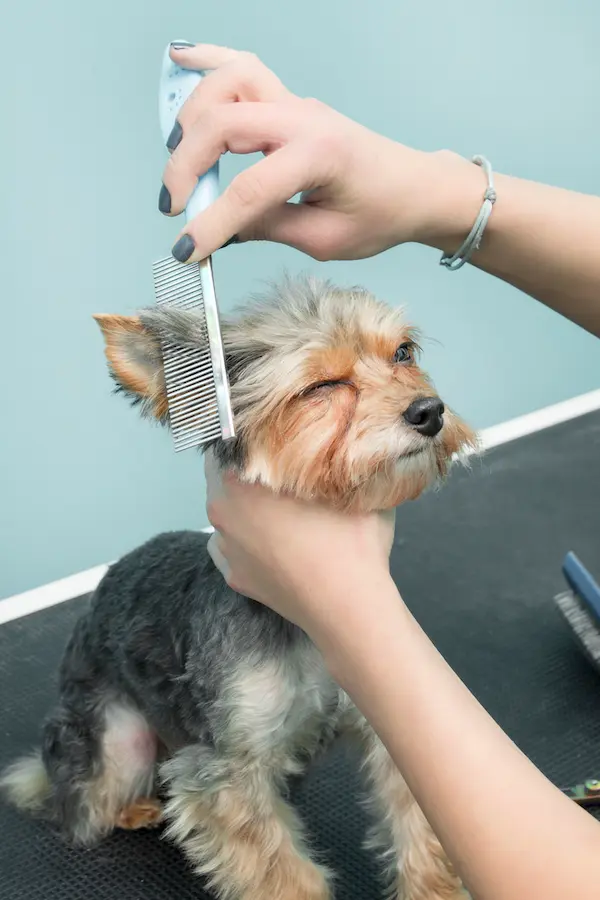
- Grooming — Groomers can help keep hair around the ear opening trimmed so air circulates; they don’t diagnose or treat mites—that’s for the vet.
Check price: Vet-recommended ear cleaner for dogs on Amazon
Check price: How to clean Yorkies’ ears
Frequently Asked Questions
How did my Yorkie get ear mites?
Ear mites spread by direct contact with an infested dog or cat. Less often, shared bedding or grooming tools can play a role. Contact at parks, kennels, or multi-pet homes is common.
Are ear mites contagious to people?
Otodectes cynotis rarely infests humans. People may get temporary mild skin irritation; it doesn’t establish in human ears. Focus on treating all pets and cleaning the environment.
Can I treat ear mites at home without the vet?
Not reliably. Signs can look like other ear infections; wrong treatment can worsen the problem. The vet confirms mites and prescribes the right medication. You can support treatment with vet-approved ear cleaning as instructed.
How long does treatment take?
Most protocols run a few weeks; the vet will specify. Treat all at-risk pets and finish the full course to avoid reinfestation.
Do ear mites go away on their own?
No. They persist and can worsen (infection, inflammation). Always get a diagnosis and use vet-prescribed treatment.
For safe ear cleaning steps, see how to clean Yorkies’ ears. For general grooming, see Yorkshire Terrier grooming tips.
This article is for general guidance only. Diagnosis and treatment of ear mites must be done by a veterinarian.