
Yorkie-Poo: Complete Guide to the Yorkshire Terrier Poodle Mix
Everything you need to know about this popular designer dog: temperament, size, grooming, health, and whether a Yorkie-Poo is right for you
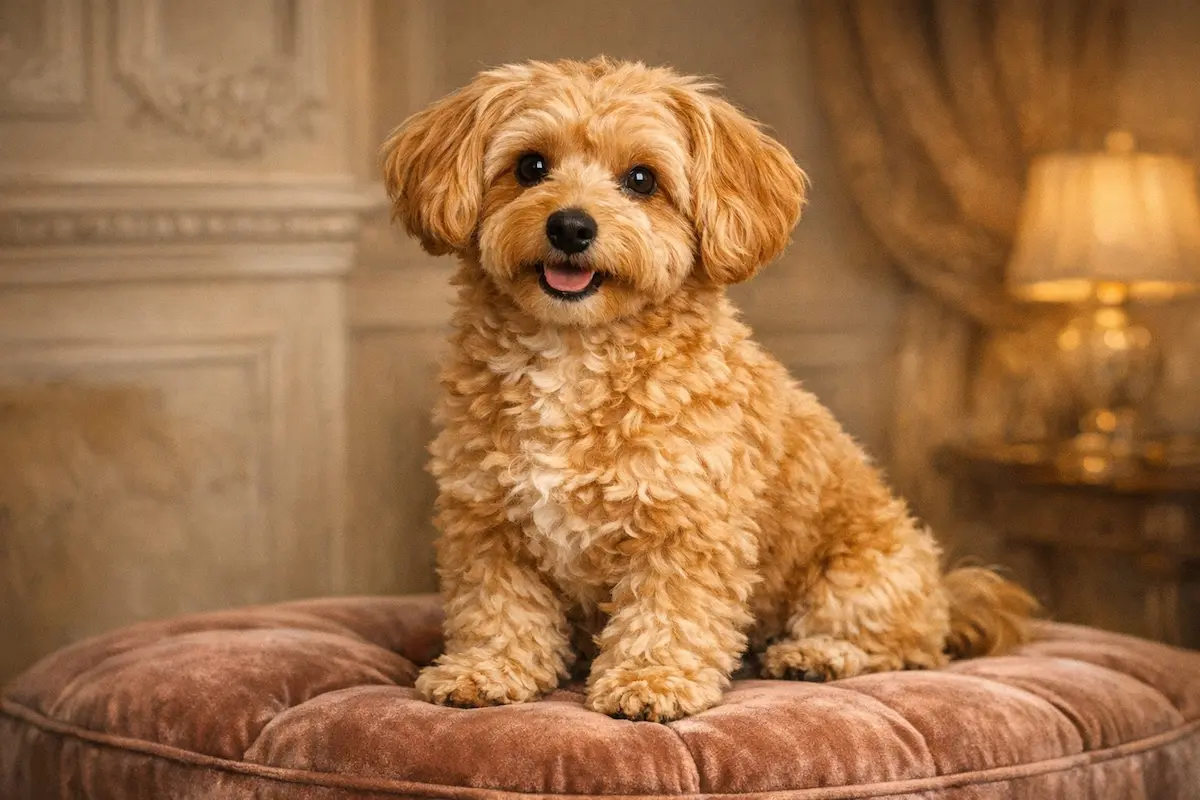
Quick Answer
A Yorkie-Poo (also spelled Yorkipoo or Yorkiepoo) is a designer dog mix between a Yorkshire Terrier and a Toy or Miniature Poodle. They typically weigh 5-15 pounds, are more hypoallergenic than Yorkies due to the Poodle genetics, and have friendlier, less territorial temperaments. Yorkie-Poos are NOT AKC-recognized and cannot compete in breed shows, but they often benefit from "hybrid vigor" (fewer genetic health issues than purebreds). They cost $1,000-3,000 and require moderate grooming every 6-8 weeks.
🤔 Yorkie-Poo vs Yorkie: Which Is Right For You?
Select your priorities to get a personalized recommendation
What Is a Yorkie-Poo?
A Yorkie-Poo is a first-generation (F1) hybrid or multigenerational mix between a Yorkshire Terrier and a Toy or Miniature Poodle. This designer breed became popular in the 1990s-2000s as breeders sought to create a small, low-shedding companion dog with the Yorkie's confidence and the Poodle's intelligence.
⚠️ Important Terminology
F1 Yorkie-Poo: 50% Yorkshire Terrier + 50% Poodle (first generation)
F1B Yorkie-Poo: 75% Poodle + 25% Yorkie (F1 bred back to Poodle) - more hypoallergenic
F2 Yorkie-Poo: F1 × F1 (second generation) - less predictable traits
Multigenerational: Multiple Yorkie-Poo generations - most consistent traits
Yorkshire Terrier Parent
- • 4-7 lbs, 7-8 inches tall
- • Bold, confident, territorial
- • Silky coat, moderate shedding
- • Strong terrier instincts
- • AKC Toy Group (1886)
Poodle Parent (Toy/Mini)
- • Toy: 4-6 lbs; Mini: 10-15 lbs
- • Intelligent, eager to please
- • Curly coat, non-shedding
- • Athletic, trainable
- • AKC Non-Sporting/Toy Group
Size & Appearance
| Trait | Yorkie-Poo | Yorkshire Terrier |
|---|---|---|
| Weight | 5-15 lbs (variable) | 4-7 lbs |
| Height | 7-15 inches | 7-8 inches |
| Coat Type | Wavy to curly, soft | Straight, silky |
| Shedding | Very low (hypoallergenic) | Low-moderate |
| Colors | Black, tan, apricot, cream, silver, parti-colors | Blue & tan only (breed standard) |
| Coat Length | Medium to long | Floor-length if uncut |
Appearance Variability
Yorkie-Poos are highly variable in appearance, even within the same litter. Some look more like Yorkies (straight coat, smaller), while others look more like Poodles (curly coat, larger). F1 mixes are most unpredictable, while multigenerational Yorkie-Poos have more consistent traits.
Adult size prediction: Look at the Poodle parent size. Toy Poodle parent = 5-10 lb Yorkie-Poo. Miniature Poodle parent = 10-15 lb Yorkie-Poo. Puppies often reach full size by 9-12 months.
Temperament & Personality
Yorkie-Poos generally inherit a blend of traits from both parent breeds, resulting in dogs that are friendlier than Yorkies but more confident than Poodles.
Energy Level
Moderate-High (70%)
Playful and energetic but less hyperactive than terriers. Need 30-45 minutes daily exercise.
Sociability
High (85%)
Very friendly with people, children, and other pets. Less territorial than purebred Yorkies.
Trainability
High (80%)
Intelligent and eager to please (from Poodle). Easier to train than stubborn Yorkies.
✓ Typical Yorkie-Poo Personality
- ✓Affectionate lap dogs who love cuddling and attention
- ✓Playful and fun-loving with moderate energy
- ✓Less yappy than Yorkies but will alert bark
- ✓Good with children (older, gentle kids) and multi-pet homes
- ✓Smart and trainable - excel at tricks and commands
- ✓Moderate separation anxiety - prefer not to be alone long
Health & Lifespan
Yorkie-Poos often benefit from "hybrid vigor" - mixed breeds tend to have fewer genetic health issues than purebreds due to increased genetic diversity.
Common Health Issues
- •Dental disease (very common in small dogs)
- •Luxating patella (30-40% affected)
- •Progressive retinal atrophy (from Poodle genetics)
- •Legg-Calvé-Perthes (hip joint issue)
- •Hypoglycemia (low blood sugar in small dogs)
Health Advantages vs Yorkies
- ✓Lower tracheal collapse rates (less common)
- ✓Fewer liver shunts (hybrid vigor)
- ✓Better genetic diversity (reduces inbreeding issues)
- ✓Slightly sturdier build (less fragile)
Grooming Requirements
Yorkie-Poos require moderate to high grooming, though slightly less than purebred Yorkies. The Poodle influence means curlier coats that mat less easily but still need regular brushing.
Daily (5 min)
- • Brush coat (2-3x/week minimum)
- • Wipe face/eyes
- • Check for mats
Weekly
- • Bath (every 2-3 weeks)
- • Nail trim
- • Ear cleaning
- • Teeth brushing (3-4x/week)
Every 6-8 Weeks
- • Professional grooming ($50-80)
- • Haircut/trim
- • Sanitary trim
Annual Grooming Costs
Cost to Buy & Own a Yorkie-Poo
Purchase Price
Annual Costs
Lifetime Cost (15 years)
Initial cost ($1,000-3,000) + Annual costs × 15 years = $24,625-53,850 total
Yorkie-Poos are less expensive than purebred Yorkies to purchase but have similar ongoing costs. Grooming is slightly cheaper (less frequent appointments needed).
Yorkie-Poo Pros & Cons
✓ Pros
- ✓More hypoallergenic than Yorkies (less shedding)
- ✓Friendlier temperament - better with kids/pets
- ✓Easier to train - Poodle intelligence + eagerness
- ✓Hybrid vigor - often healthier than purebreds
- ✓Less territorial/yappy than Yorkies
- ✓Color variety - many coat colors available
- ✓Slightly sturdier than fragile toy Yorkies
✗ Cons
- ✗Not AKC-recognized - can't compete in breed shows
- ✗Unpredictable traits - especially F1 generation
- ✗No breed standard - size/appearance varies widely
- ✗Harder to find reputable breeders (many puppy mills)
- ✗Moderate separation anxiety - can't be alone long
- ✗Still requires significant grooming ($675-1,590/year)
- ✗Dental issues still common in small dogs
Frequently Asked Questions
Are Yorkie-Poos hypoallergenic?
More hypoallergenic than Yorkies, but not 100%. The Poodle genetics reduce shedding significantly, making them better for mild allergies. F1B Yorkie-Poos (75% Poodle) are most hypoallergenic. However, no dog is truly hypoallergenic—allergies are triggered by dander, saliva, and urine proteins, not just hair. Always spend time with a Yorkie-Poo before committing if you have allergies.
How big will my Yorkie-Poo get?
5-15 lbs depending on Poodle parent size. Toy Poodle parent = 5-10 lbs. Miniature Poodle parent = 10-15 lbs. F1 mixes are most variable. Ask the breeder about parent sizes and see photos of previous litters. Most reach full size by 9-12 months. Adult weight is generally 4x their weight at 8 weeks old.
Do Yorkie-Poos bark a lot?
Less than Yorkies, but still moderate barkers. They're not as yappy or territorial as purebred Yorkies, thanks to the Poodle temperament. However, they'll still alert bark when someone comes to the door. Early training and socialization reduces excessive barking. They're quieter overall than terrier breeds.
Are Yorkie-Poos good with kids?
Yes, better than Yorkies. Yorkie-Poos are friendlier and more patient than purebred Yorkies, making them better for families. However, they're still small (5-15 lbs) and fragile. Best for families with older, gentle children (8+ years). Always supervise interactions to prevent accidental injury to the dog or nipping from the dog if handled roughly.
Should I get an F1, F1B, or multigenerational Yorkie-Poo?
F1B or multigenerational for predictability. F1 (50/50 mix) is most unpredictable in size, coat, and temperament. F1B (75% Poodle) is more hypoallergenic and trainable but less "Yorkie-like." Multigenerational (Yorkie-Poo × Yorkie-Poo) offers the most consistent traits. F1 is cheapest; multigenerational is most expensive but most predictable.
Can Yorkie-Poos be registered with the AKC?
No. The AKC does not recognize designer breeds or mixed breeds for registration or show competition. Yorkie-Poos can participate in AKC events like agility, obedience, and rally through the AKC Canine Partners program (for all dogs), but cannot compete in conformation shows. If breed recognition matters to you, choose a purebred Yorkshire Terrier instead.
Looking for a Healthy Yorkie-Poo or Purebred Yorkie?
Connect with responsible breeders who health-test parents, provide proper socialization, and offer lifetime support. Avoid puppy mills and pet stores.
Find Responsible Breeders →Disclaimer: This article provides general information about Yorkie-Poos (Yorkshire Terrier Poodle mixes). Individual dogs vary significantly based on generation (F1, F1B, F2), parent genetics, and breeding practices. Always meet puppies in person, observe parents' temperaments, and work with reputable breeders who perform health testing on parent dogs. Designer breeds are not recognized by major kennel clubs and cannot compete in conformation shows.