
Tail docking is the surgical removal of part of a puppy’s tail, historically done for breed appearance and working-dog tradition. In Yorkies, a short, carried tail has long been part of the breed look in some countries; in others, docking is restricted or banned. This guide explains what docking is, why it’s done, welfare debates, and how laws vary—so you can make an informed choice and know what to expect from breeders.
Last updated: February 2026 · Reading time: ~6 min
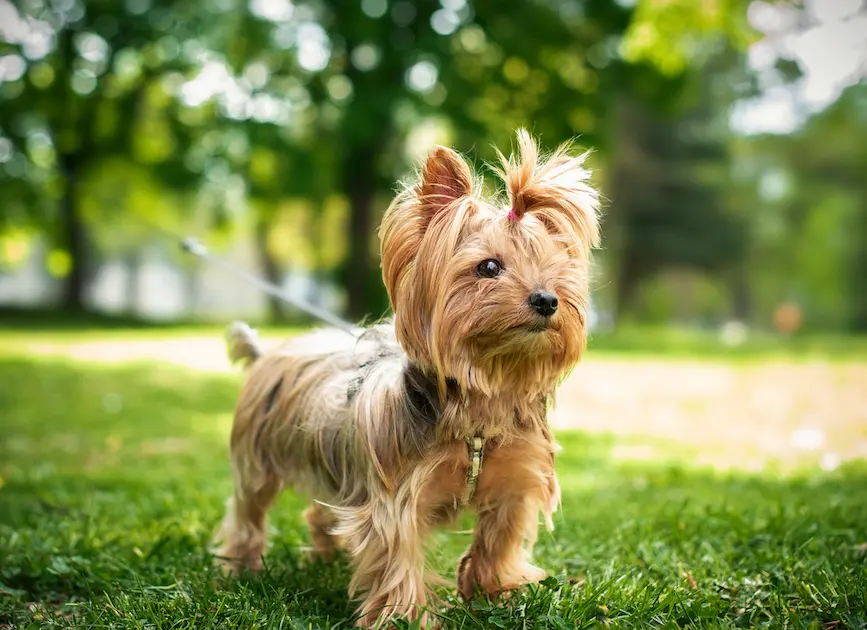
Quick Answer
Yorkie tail docking is the surgical removal of part of the tail, usually in the first few days of life. It has been done for breed appearance (short, upright tail) and tradition; it’s not required for health. Welfare concerns include pain and lack of medical need. Laws vary: allowed in much of the US (often by breeder/vet); restricted or banned in the UK, Australia, and many European countries. If you want an undocked (natural) tail, choose a breeder who doesn’t dock and check local laws. Docking doesn’t affect personality or trainability.
What Is Tail Docking?
Tail docking is the removal of a portion of the tail, typically when the puppy is a few days old. It’s done under local anesthetic or with pain control, by a vet or sometimes by a breeder where still legal. The tail is cut to a length that matches the breed standard (for Yorkies, usually quite short). The procedure is irreversible. Dewclaw removal is a separate procedure; some breeders do both, others neither.
Why Is It Done in Yorkies?
| Reason | Explanation |
|---|---|
| Breed standard | In the US (AKC) and some other registries, the Yorkshire Terrier standard describes a docked tail—carried slightly above the back, customarily docked to a medium length. |
| Tradition / aesthetics | Long-standing custom and the “classic” show look in countries where docking is permitted. |
| Historical | In some working terriers, docking was thought to reduce injury; for companion Yorkies there’s no such functional need. |
Docking is not required for a Yorkie’s health or behavior. It’s a cosmetic practice that is increasingly regulated or banned in many places.
The Procedure (Where Legal)
Where docking is still performed:
- Timing: Usually between 2–5 days old (sometimes up to about 2 weeks).
- Method: Cutting (scalpel or scissors) or sometimes banding; often with local anesthetic and/or pain medication.
- Aftercare: Wound heals over days; breeder monitors for infection or bleeding.
Complications (bleeding, infection, poor healing) are possible; the vet or breeder should explain aftercare. In regions where only vets may perform it, non-veterinary docking may be illegal.
Welfare and Ethics
- Pain: Even with pain control, the procedure causes pain and stress. Many veterinary and welfare bodies oppose non-therapeutic docking.
- Function: The tail is used for balance and communication; removing it removes that signal and may affect balance in some activities.
- Medical need: There is no routine health benefit for pet Yorkies; therapeutic amputation (e.g. after injury or disease) is a separate, medical decision.
Organizations such as the AVMA oppose tail docking when done solely for appearance. If you prefer a natural tail, support breeders who do not dock.
Laws and Regulations (Overview)
| Region | Typical status (check local laws) |
|---|---|
| United States | Generally legal; often performed by breeder or vet. Some states have restrictions. |
| United Kingdom | Banned (with limited working-dog exemptions). |
| Australia | Banned in most states/territories for non-therapeutic docking. |
| European Union | Banned in many member states except specific working exemptions. |
| Canada | Varies by province; some prohibit cosmetic docking. |
Always verify current rules in your country, state, or province. Breed standards in some countries have been updated so Yorkies can be shown with a natural tail.
Natural (Undocked) Tail
Yorkies can have a full, natural tail. They are the same dog in health, temperament, and trainability. In places where docking is banned, the natural tail is the norm. If you want an undocked Yorkie, look for a breeder who does not dock and who breeds for health and temperament. You may need to look outside your immediate area depending on local practice.
Frequently Asked Questions
Does docking hurt the puppy?
Yes. Pain control can reduce but not eliminate pain and stress. Many veterinary associations consider non-therapeutic docking an unnecessary procedure.
Can I get a Yorkie with a natural tail in the US?
Yes. Some US breeders choose not to dock; you can seek them out. Breed clubs and breeder directories can help.
Is a docked tail required for dog shows?
In the US (AKC), the standard has historically described a docked tail; practice is evolving. In the UK and other countries where docking is banned, dogs are shown with natural tails. Check the current standard for your registry and country.
Will my Yorkie’s tail grow back?
No. Docking is permanent. Only the remaining length is present as the puppy grows.
What about dewclaws?
Dewclaw removal is a separate procedure. Some breeders remove front (and rarely rear) dewclaws; others leave them. Discuss with your breeder and vet.
For breed background, see Yorkshire Terrier facts and breeders. For general care, see Yorkshire Terrier grooming tips.
This article is for general information only. Laws change; confirm current regulations in your area. Breeding and surgical decisions should involve your vet and a responsible breeder.
Looking for a Breeder?
Find breeders who are transparent about tail docking and breed for health and temperament.
Browse Breeders →